- Home
- Catalogues
- List of Supervising Constructions for High School - High School 2025-2026
- Catalogue of Science and Technology Aids 2025-2026
- Design & Technology Catalogue Primary Schools 2024-2025
- Catalogue of Science and Technology Aids 2024-25
- Catalogue of Science and Technology Aids 2023-24
- Christmas Crafts Set
- Nursery Schools Catalogue 2022-2023
- Nursery Schools Catalogue 2020-2021
- Nursery Schools Catalogue 2018-2019
- Happy and Creative Hands
- Jobs Category
- About us
- FAQ
- Terms and conditions of use
- Privacy Policy
- Cookies Policy
- Payment Methods
- Shipping Methods
- Returns Policy
- Payment Response
- Registration Successful
- Shipments to Greece
- New Service Point
- Teacher Registration
- Box Now Shipping Service
- 40 years Antoniadis
- Catalogues
- Catalogues
- About us
- Payment Methods
-
Educational Products
-
School Equipment
- All
- Write 'N' Wipe Boards
- White Magnetic Boards
- Board Erasers & Cleaners
- Interactive Boards
- Cork Boards
- Boards Paper Roll
- Talking Points
- Measuring Instruments
- Rotary Trimmer & Guillotine Machines
- Binding Machines
- Laminators
- Maps
- Literacy
- Time
- Presenters
- Music Instruments
- Batteries
- USB Memory Sticks
- Pocket Charts
- Various
-
Stationery
-
STEM - Robotics - Programming
-
Electronics
-
Educational Toys & Construction Kits
- All
- Mechanics
- Robotics
- Coding
- Simple Circuit Kits
- Science
- Green Science
- Planets
- Dinosaurs - Volcanos
- Animals
- Lenses
- Logic / Understanding
- Card & Board Games
- Rubik's Cubes
- Puzzles
- Magnetic Boards
- Hama Beads
- Painting Sets
- Craft Sets
- Creative Hands
- Soft Play Dough
- Fridge Magnets
- Wooden toys
- Baby Toys
- Gadgets
- Construction "Antoniadis"
- Seasonal
- Birthday Gifts
- Gift Vouchers
-
Tools & Adhesives
-
Craft Materials
- All
- Resin Art, Casting & Sculpting
- Decoupage & Mixed Media
- Items for Decoration
- Model Making & Mockup Supplies
- Creation Materials
- Decoratives
- Paints - Colours
- Mediums & Auxiliaries
- Canvases & Canvas Panels
- Clocks & Accessories
- Cards & Papers
- Fabrics
- Scrapbooking - Papers
- Powertex
- Quilling
- Seasonal
- All
- Acrylics
- Metallic - Pearl
- Chalk Paints
- Oil Paints
- Watercolours - Temperas
- Glass paints
- Fabric Paints
- Pouring Paint Sets
- Face painting
- Lasur Paints
- Chalkboard
- Pencils
- Chalks
- Markers
- Pastel-Crayons
- Outliners
- Alcohol Inks
- Spray
- Pigments for Liquid Glass
- Pigments
- Coloring Books
- Painting by numbers
- Paint Palettes and Containers
-
Art Supplies
Water Level Detection Sensor Module
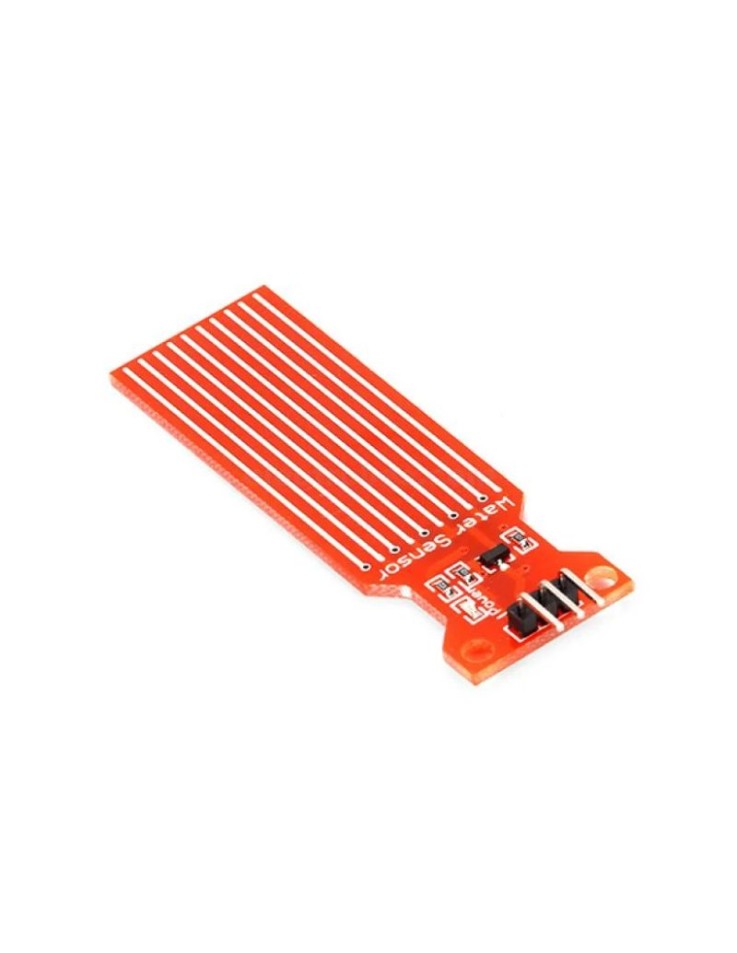
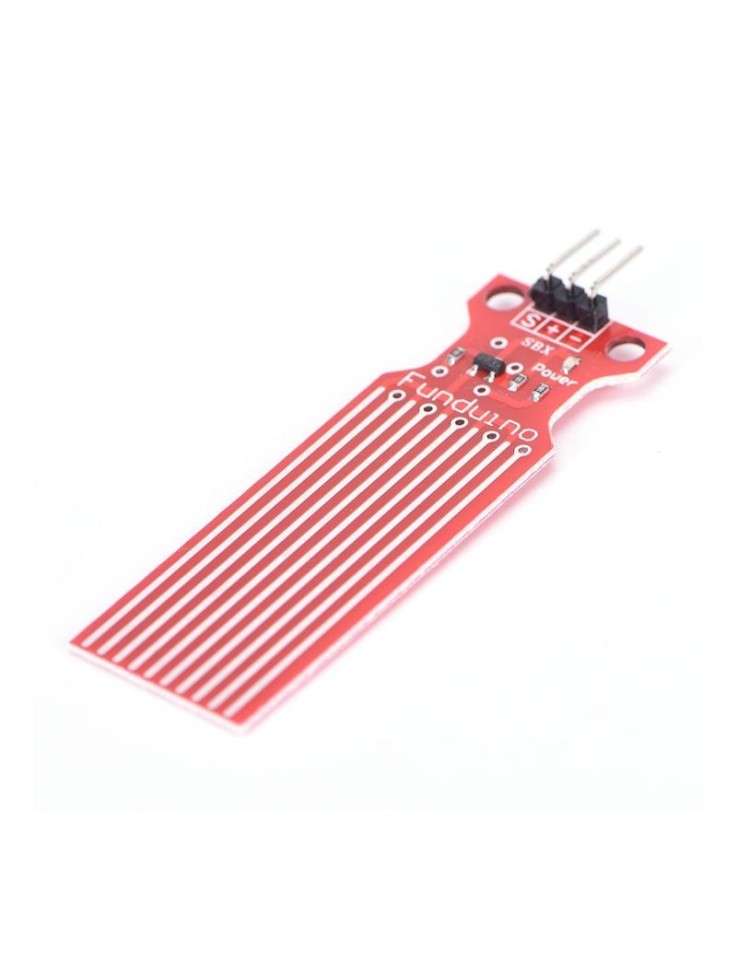
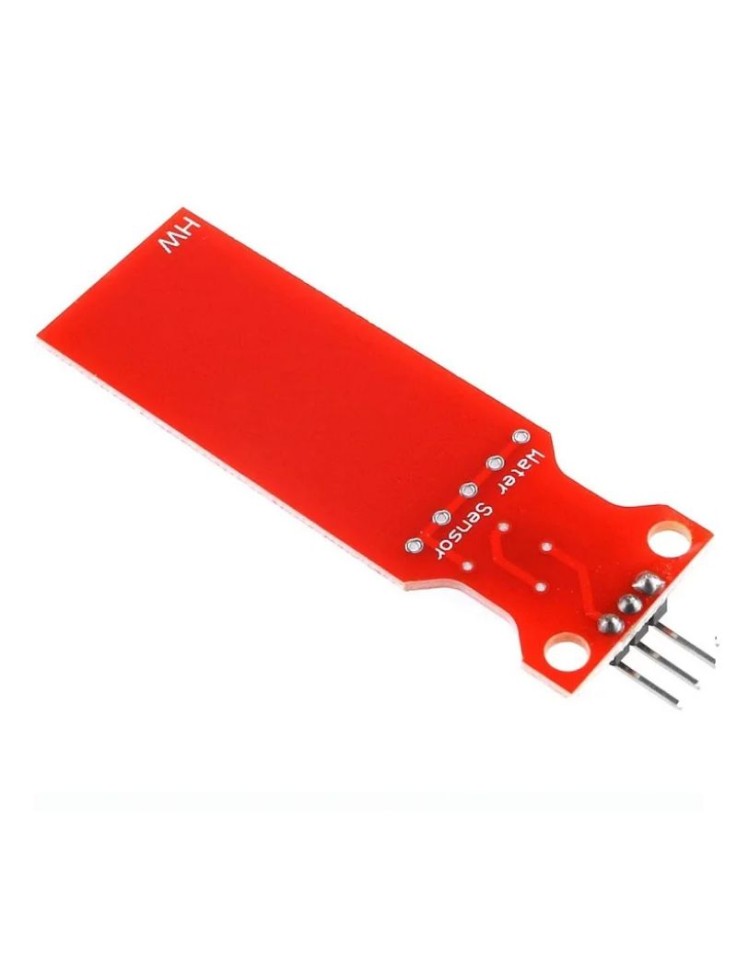
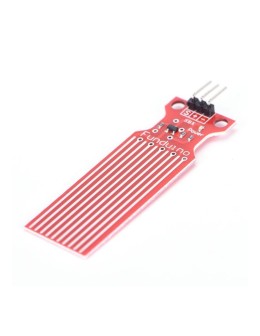
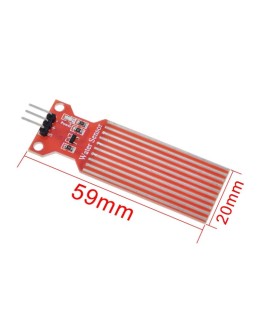
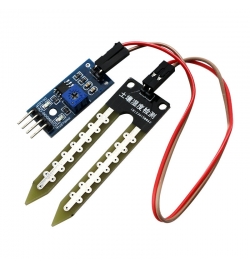
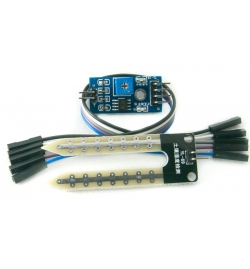
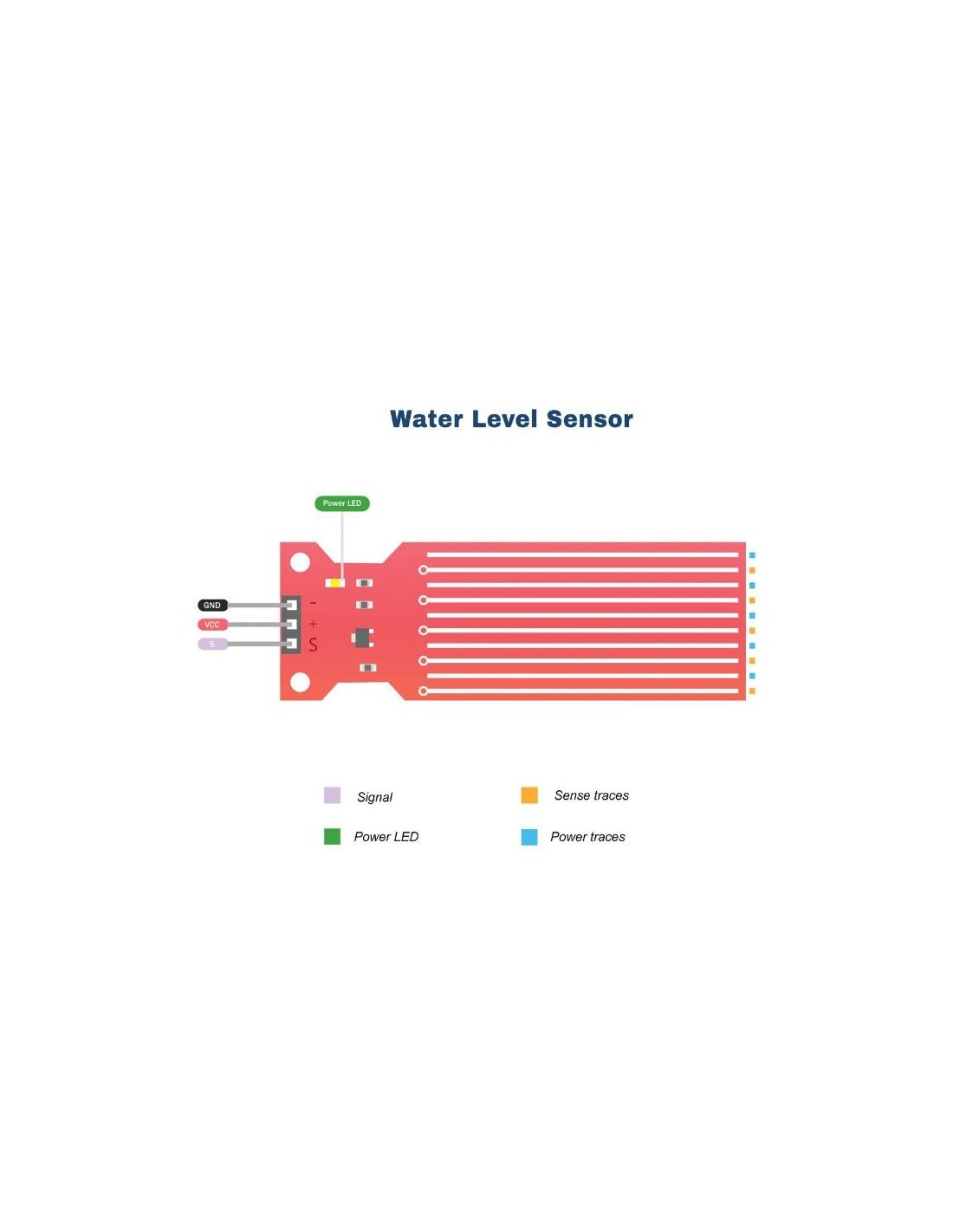
The Water Level Detection Sensor Module is a compact, easy-to-use sensing solution designed to detect and measure the presence or depth of water. Based on the principle of parallel exposed conductive traces that act as a variable resistor, the module outputs a signal that changes proportionally to how much of the sensing area is submerged — the more water contact, the lower the resistance and the higher the output signal. Compatible with Arduino, ESP32, Raspberry Pi, and virtually any microcontroller platform, it bridges real-world water conditions with digital control logic.
Key Features
- Variable Resistor Sensing: Parallel exposed traces change resistance with water coverage → proportional analog output reflecting actual water level
- Simple 3-Pin Interface: Power, Ground, and Signal — plug directly into any analog input → zero external components needed
- Low Power Design: Suitable for battery-powered and always-on monitoring applications → energy-efficient deployments
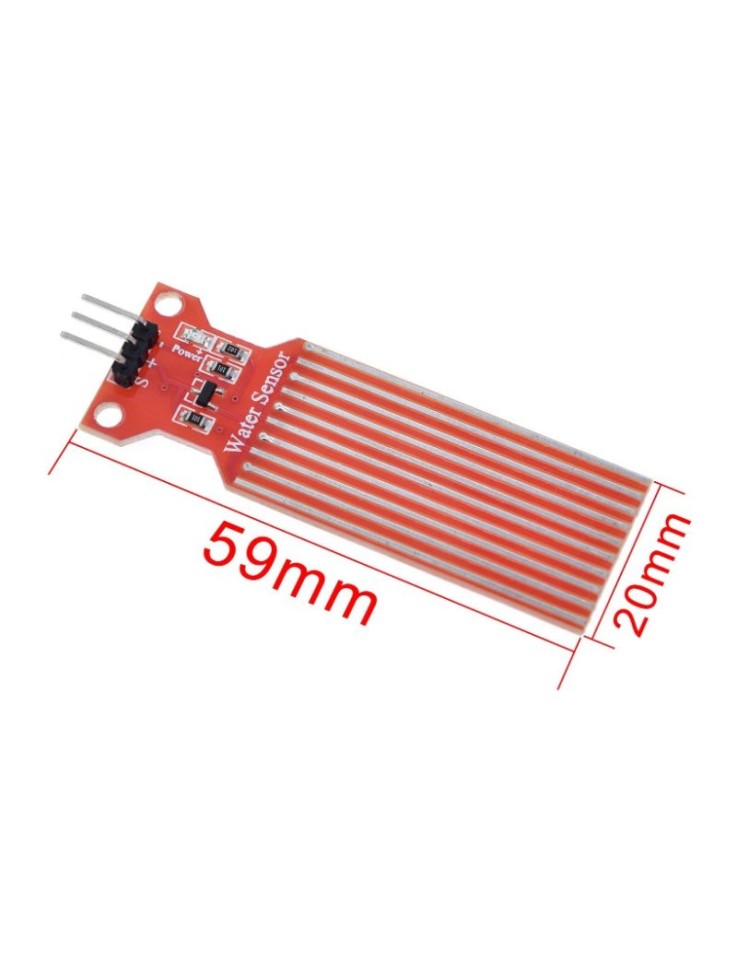
- Compact Form Factor: Small PCB fits inside enclosures, tanks, or weather stations → versatile physical integration
- Broad Platform Compatibility: Works with 3.3 V and 5 V systems → use with Arduino UNO, ESP32, Raspberry Pi, and more
Pinout & Wiring
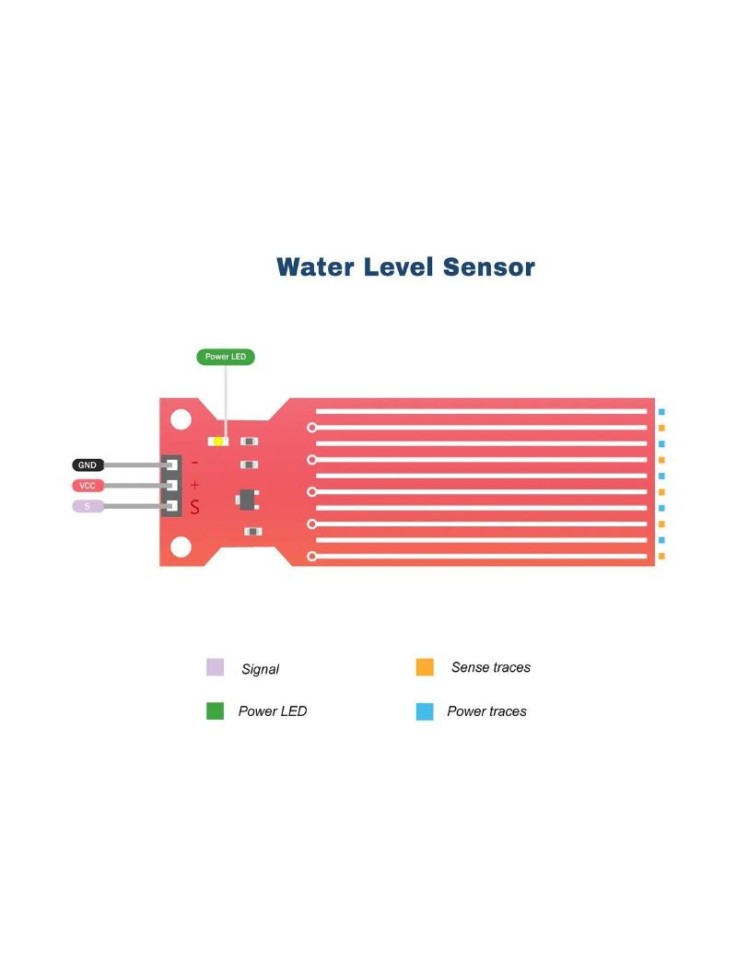
| PIN | Symbol | Description |
|---|---|---|
| 1 | S (SIG) | Analog signal output — connect to analog input pin of microcontroller |
| 2 | + | Power supply — connect to 3.3 V or 5 V |
| 3 | G (GND) | Ground — connect to system ground |
Wiring note: Connect the S pin to an analog input (e.g., A0 on Arduino UNO). Read the analog value in your sketch — higher readings indicate more water contact. It is recommended to power the sensor only when taking a reading to reduce electrolytic corrosion of the traces over time.
Compatibility
- Arduino UNO / Nano (5 V): Direct connection to 5 V and GND; read analog value on any A-pin.
- ESP32 / ESP8266 (3.3 V): Connect to 3.3 V rail; use 3.3 V-tolerant analog input to avoid damage.
- Raspberry Pi (3.3 V): Requires an ADC (e.g., MCP3008) since Raspberry Pi lacks native analog inputs.
Typical Applications
- Rain Detection Systems: Mount the sensor exposed to the sky — any rainfall triggers an alert via Arduino or ESP32, perfect for automated window closers or weather stations.
- Tank Level Monitoring: Automate pump activation or shut-off based on measured water depth inside a reservoir or cistern.
- Flood Early Warning: Place at floor level or in a basement to detect rising water and trigger an alarm or notification.
- Smart Irrigation Control: Detect rain or soil surface moisture to prevent over-watering in automated garden systems.
- Aquarium & Hydroponics: Monitor water level in fish tanks or hydroponic trays and alert when refilling is needed.
Technical Specifications
| Parameter | Value |
|---|---|
| Interface | Analog |
| Operating Voltage | 3.3 V – 5 V DC |
| Output | Analog voltage proportional to water level |
| Sensing Principle | Parallel exposed conductive traces (variable resistance) |
FAQ
Q: Can the sensor be left permanently submerged?
A: It is not recommended for continuous submersion. Power the sensor only during measurement cycles to minimise electrolytic corrosion of the exposed traces and extend its lifespan.
Q: Does it give a digital (wet/dry) or analog (depth) output?
A: The raw output is analog — the voltage level varies with submersion depth. You can add a threshold in your code to treat it as a digital wet/dry signal, giving you the best of both worlds.
⚠ Note: Only the sensing area (lower portion of the PCB) should be exposed to water. Keep the electronic components and connector dry at all times to avoid damage.