- Home
- Catalogues
- List of Supervising Constructions for High School - High School 2025-2026
- Catalogue of Science and Technology Aids 2025-2026
- Design & Technology Catalogue Primary Schools 2024-2025
- Catalogue of Science and Technology Aids 2024-25
- Catalogue of Science and Technology Aids 2023-24
- Christmas Crafts Set
- Nursery Schools Catalogue 2022-2023
- Nursery Schools Catalogue 2020-2021
- Nursery Schools Catalogue 2018-2019
- Happy and Creative Hands
- Jobs Category
- About us
- FAQ
- Terms and conditions of use
- Privacy Policy
- Cookies Policy
- Payment Methods
- Shipping Methods
- Returns Policy
- Payment Response
- Registration Successful
- Shipments to Greece
- New Service Point
- Teacher Registration
- Box Now Shipping Service
- 40 years Antoniadis
- Catalogues
- Catalogues
- About us
- Payment Methods
-
Educational Products
-
School Equipment
- All
- Write 'N' Wipe Boards
- White Magnetic Boards
- Board Erasers & Cleaners
- Interactive Boards
- Cork Boards
- Boards Paper Roll
- Talking Points
- Measuring Instruments
- Rotary Trimmer & Guillotine Machines
- Binding Machines
- Laminators
- Maps
- Literacy
- Time
- Presenters
- Music Instruments
- Batteries
- USB Memory Sticks
- Pocket Charts
- Various
-
Stationery
-
STEM - Robotics - Programming
-
Electronics
-
Educational Toys & Construction Kits
- All
- Mechanics
- Robotics
- Coding
- Simple Circuit Kits
- Science
- Green Science
- Planets
- Dinosaurs - Volcanos
- Animals
- Lenses
- Logic / Understanding
- Card & Board Games
- Rubik's Cubes
- Puzzles
- Magnetic Boards
- Hama Beads
- Painting Sets
- Craft Sets
- Creative Hands
- Soft Play Dough
- Fridge Magnets
- Wooden toys
- Baby Toys
- Gadgets
- Construction "Antoniadis"
- Seasonal
- Birthday Gifts
- Gift Vouchers
-
Tools & Adhesives
-
Craft Materials
- All
- Resin Art, Casting & Sculpting
- Decoupage & Mixed Media
- Items for Decoration
- Model Making & Mockup Supplies
- Creation Materials
- Decoratives
- Paints - Colours
- Mediums & Auxiliaries
- Canvases & Canvas Panels
- Clocks & Accessories
- Cards & Papers
- Fabrics
- Scrapbooking - Papers
- Powertex
- Quilling
- Seasonal
- All
- Acrylics
- Metallic - Pearl
- Chalk Paints
- Oil Paints
- Watercolours - Temperas
- Glass paints
- Fabric Paints
- Pouring Paint Sets
- Face painting
- Lasur Paints
- Chalkboard
- Pencils
- Chalks
- Markers
- Pastel-Crayons
- Outliners
- Alcohol Inks
- Spray
- Pigments for Liquid Glass
- Pigments
- Coloring Books
- Painting by numbers
- Paint Palettes and Containers
-
Art Supplies
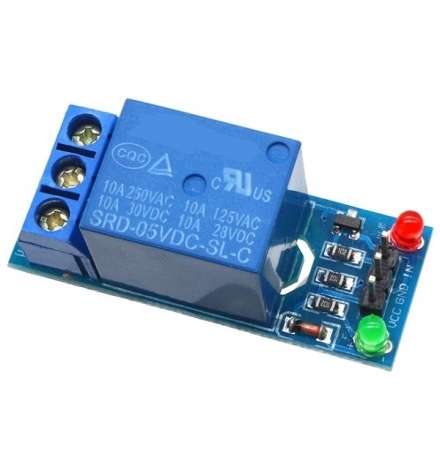
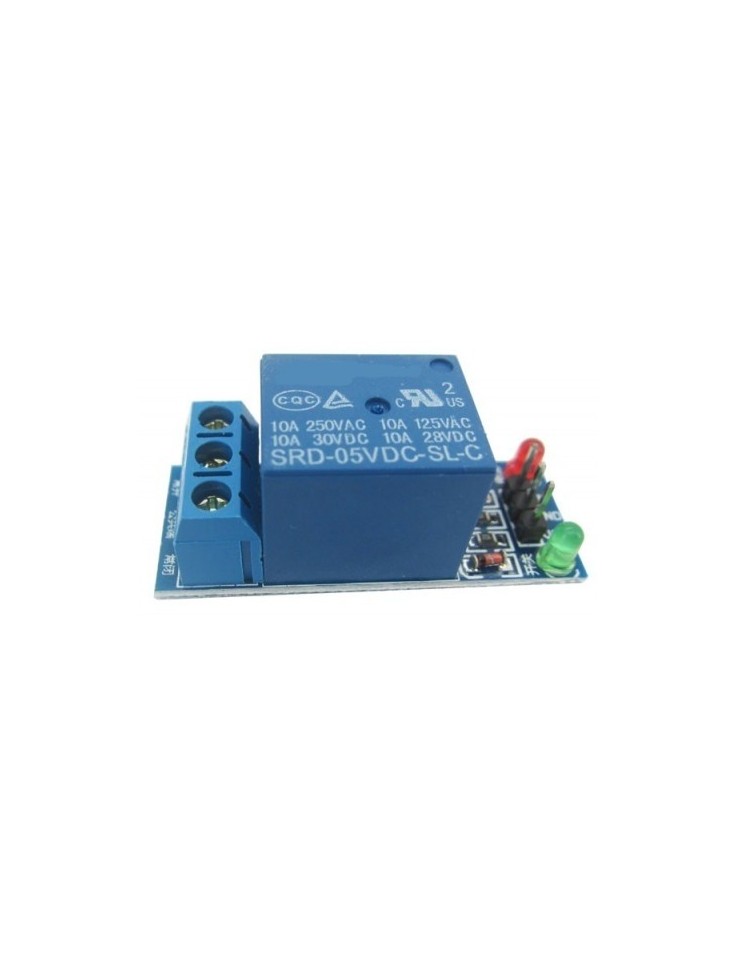
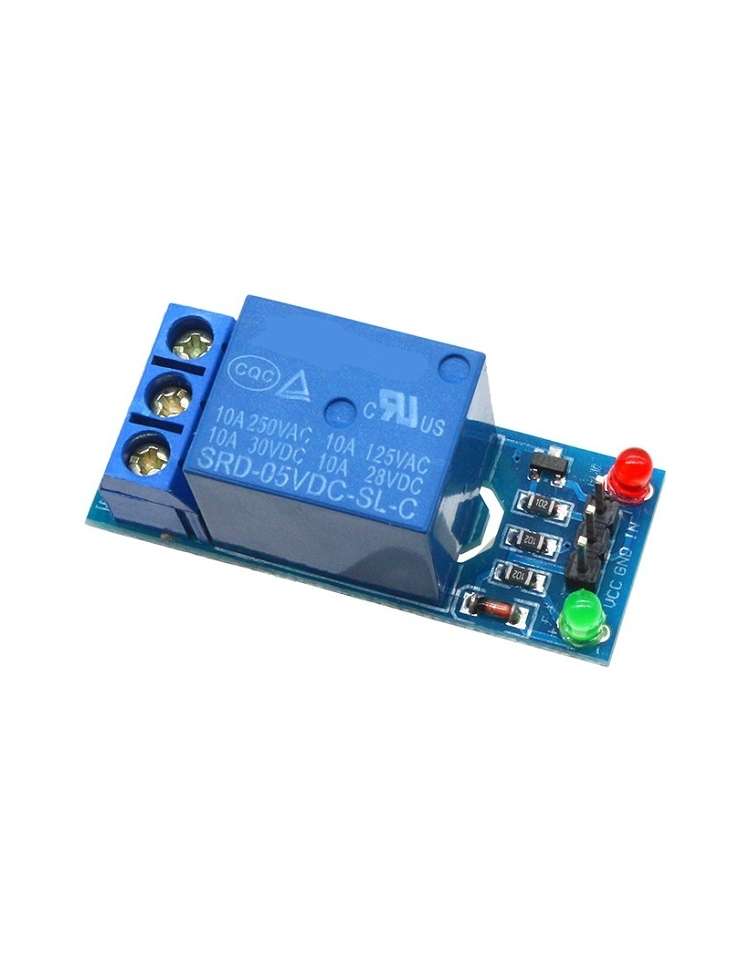
5V Relay Module - 1 Channel - Low Level Trigger
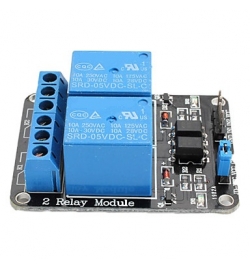
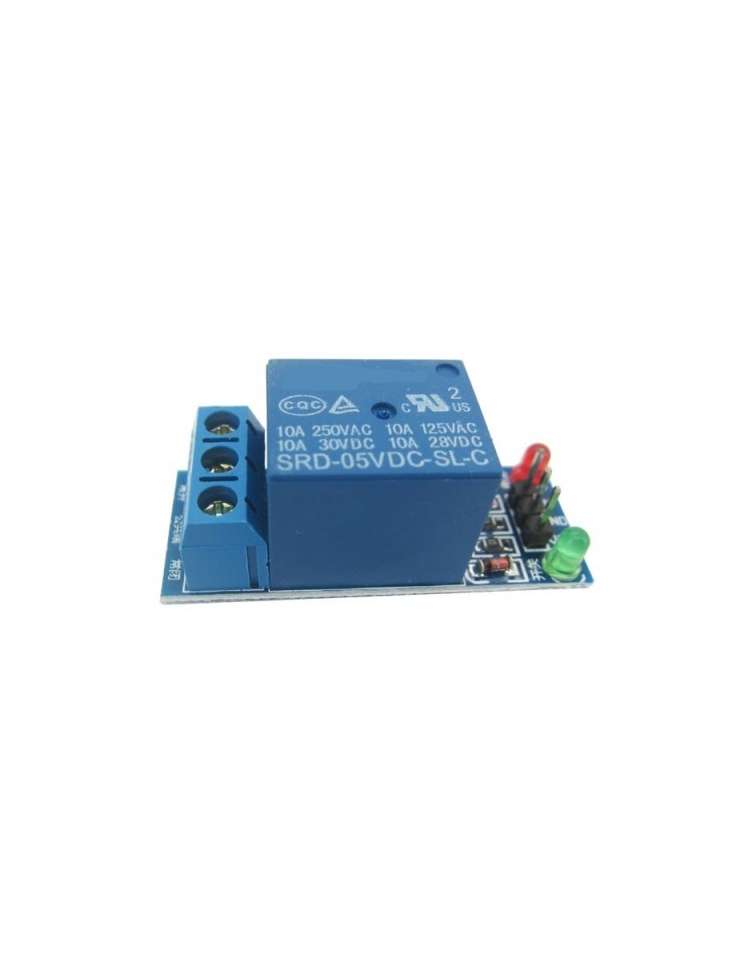
The 5V 1-Channel Relay Module (Low Level Trigger) is a compact switching module designed to let microcontrollers like Arduino or ESP32 control high-voltage AC or DC loads safely. The "low level trigger" design means the relay activates when the control signal goes LOW — ideal for open-collector outputs and noise-sensitive environments. The module features galvanic isolation between the control circuit and the load circuit, protecting your microcontroller from dangerous voltages.
Κύρια Χαρακτηριστικά / Key Features
- Low Level Trigger: Relay activates on LOW signal → compatible with open-collector/open-drain outputs and reduces false triggering
- Optocoupler Isolation: Control area and load area are electrically isolated → protects your microcontroller from high-voltage spikes
- Status LEDs: Power LED and relay-action indicator LED → instant visual feedback during development and debugging
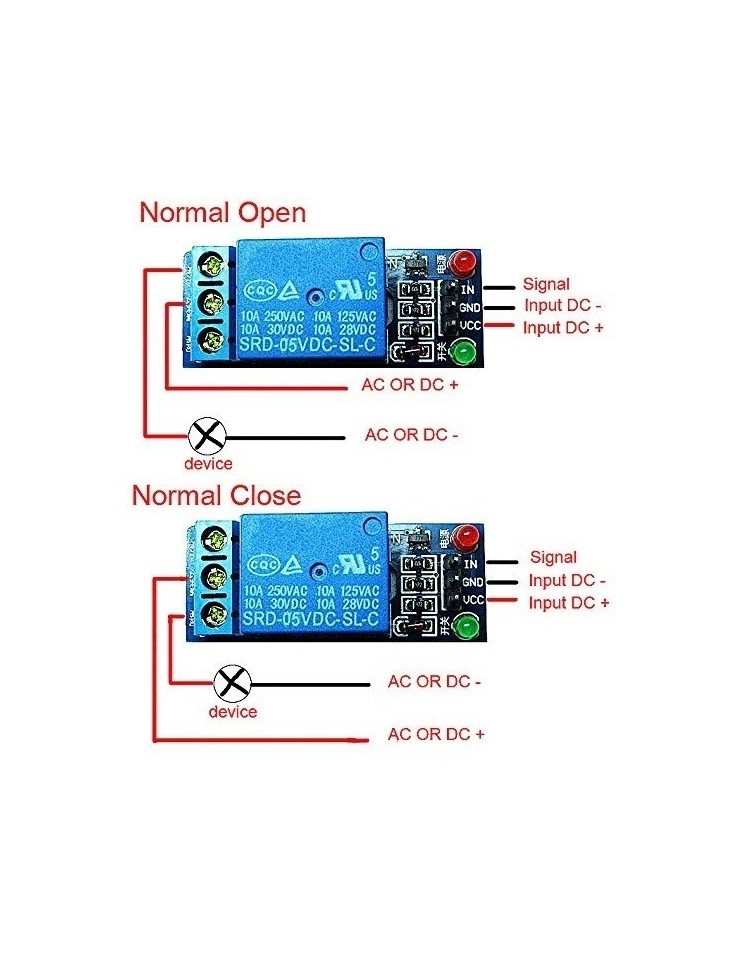
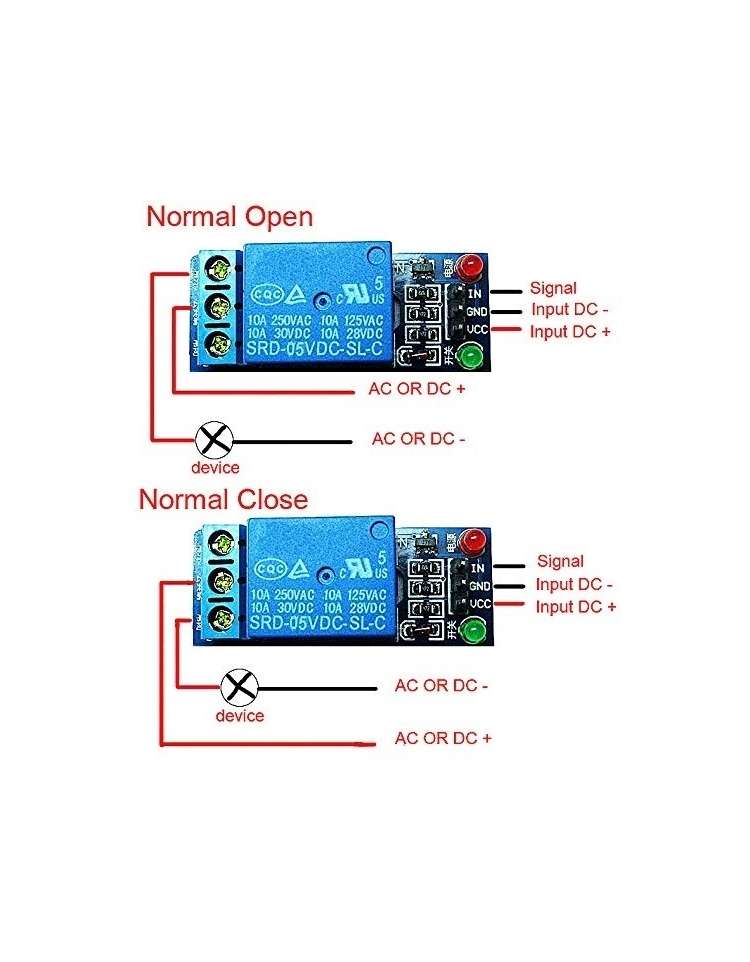
- Normally Open (NO) & Normally Closed (NC) contacts: Both contact types available → flexible wiring for any switching scenario
- KF301 Screw Terminals: Blue screw-clamp terminals on the load side → secure, tool-friendly wire connections for AC/DC loads
- AC/DC Load Control: Can switch AC loads up to 220V → suitable for home appliance automation projects
- Complies with international safety standards: Isolation groove between control and load area → safer operation at high voltages
Pinout & Wiring
| PIN | Symbol | Description |
|---|---|---|
| 1 | VCC | 5V power supply input |
| 2 | GND | Ground |
| 3 | IN | Control signal input — pull LOW to activate relay |
| 4 | COM | Relay common terminal (load side) |
| 5 | NO | Normally Open contact — connects to COM when relay is active |
| 6 | NC | Normally Closed contact — connected to COM when relay is inactive |
Wiring note: Connect VCC to 5V, GND to ground, and IN to a digital output pin of your microcontroller. Drive IN LOW to energise the relay. Connect your AC/DC load between COM and NO (or NC) on the KF301 screw terminals.
Compatibility
- Arduino UNO / Nano / Mega: Direct connection — 5V logic and 5V VCC match perfectly. Drive IN pin directly from a digital output.
- ESP32 / ESP8266 (3.3V logic): The optocoupler input is generally tolerant, but power the module from 5V and verify signal levels. A logic level shifter may be recommended for reliable LOW triggering.
- Raspberry Pi: Power from 5V pin; use a transistor or level shifter on the signal line since GPIO is 3.3V.
Typical Applications
- Home automation: Turn lights, fans, or appliances on/off from an Arduino sketch or ESP32 web server
- IoT projects: Remote control of AC loads via Wi-Fi or MQTT with an ESP8266/ESP32
- Industrial control prototyping: Switch DC motors, solenoids, or pumps from a microcontroller development board
- Smart irrigation systems: Automate water pumps based on soil moisture sensor readings
- Alarm & security systems: Drive sirens, door locks, or actuators from sensor trigger signals
Technical Specifications
| Specification | Value |
|---|---|
| Control Voltage | 5V DC |
| Trigger Type | Low Level (active LOW) |
| Number of Channels | 1 |
| Relay Contacts | NO (Normally Open) & NC (Normally Closed) |
| Load Terminal | KF301 Blue Screw Terminal |
| AC Load Capacity | Up to 220V AC |
| Isolation | Optocoupler + physical isolation groove |
| Indicators | Power LED, Relay status LED |
FAQ
Q: What does "Low Level Trigger" mean in practice?
A: It means the relay activates when your microcontroller drives the IN pin to 0V (LOW). When IN is HIGH or floating, the relay remains OFF. This is the opposite of high-level trigger modules and is preferred when using open-collector outputs or when you want the relay to default to OFF on power-up.
Q: Can I control a 220V lamp with this module using an Arduino?
A: Yes — connect the Arduino digital pin to IN, power the module from 5V, and wire your 220V lamp circuit through the COM and NO terminals. Always follow electrical safety precautions when working with mains voltage.
⚠ Safety Warning: This module can switch mains voltage (220V AC). Always disconnect power before wiring the load side. Ensure proper insulation and follow local electrical safety regulations. Not suitable for beginners without supervision when working with AC mains.