Ελληνικά
Your cart
There are no more items in your cart



 Educational Products
 School Equipment
 Stationery
 STEM - Robotics - Programming
 Electronics
 Educational Toys & Construction Kits
 Tools & Adhesives
 Craft Materials
 Art Supplies
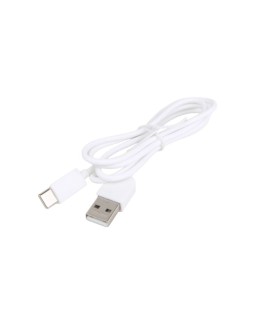
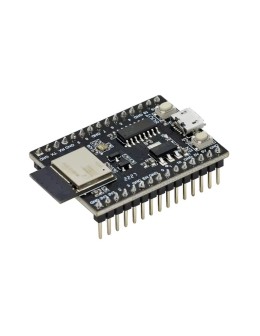
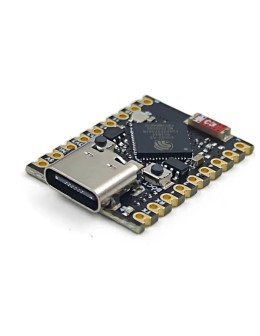
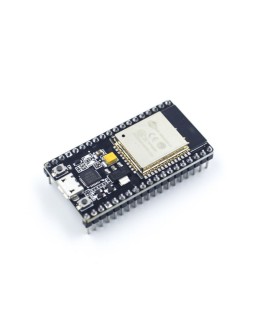
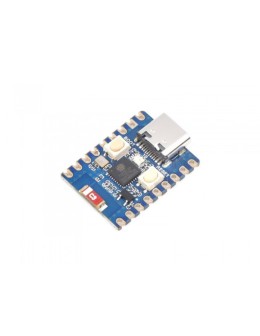
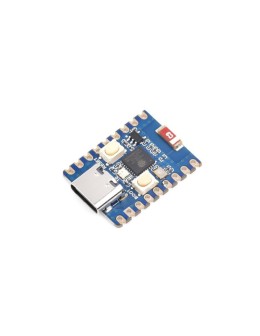
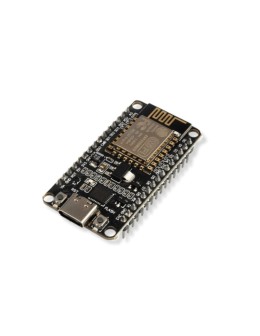
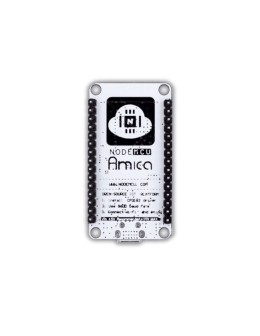
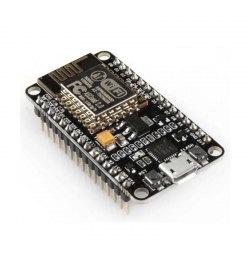
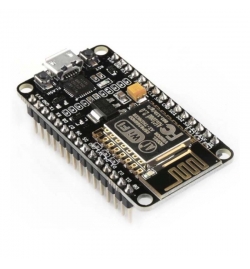
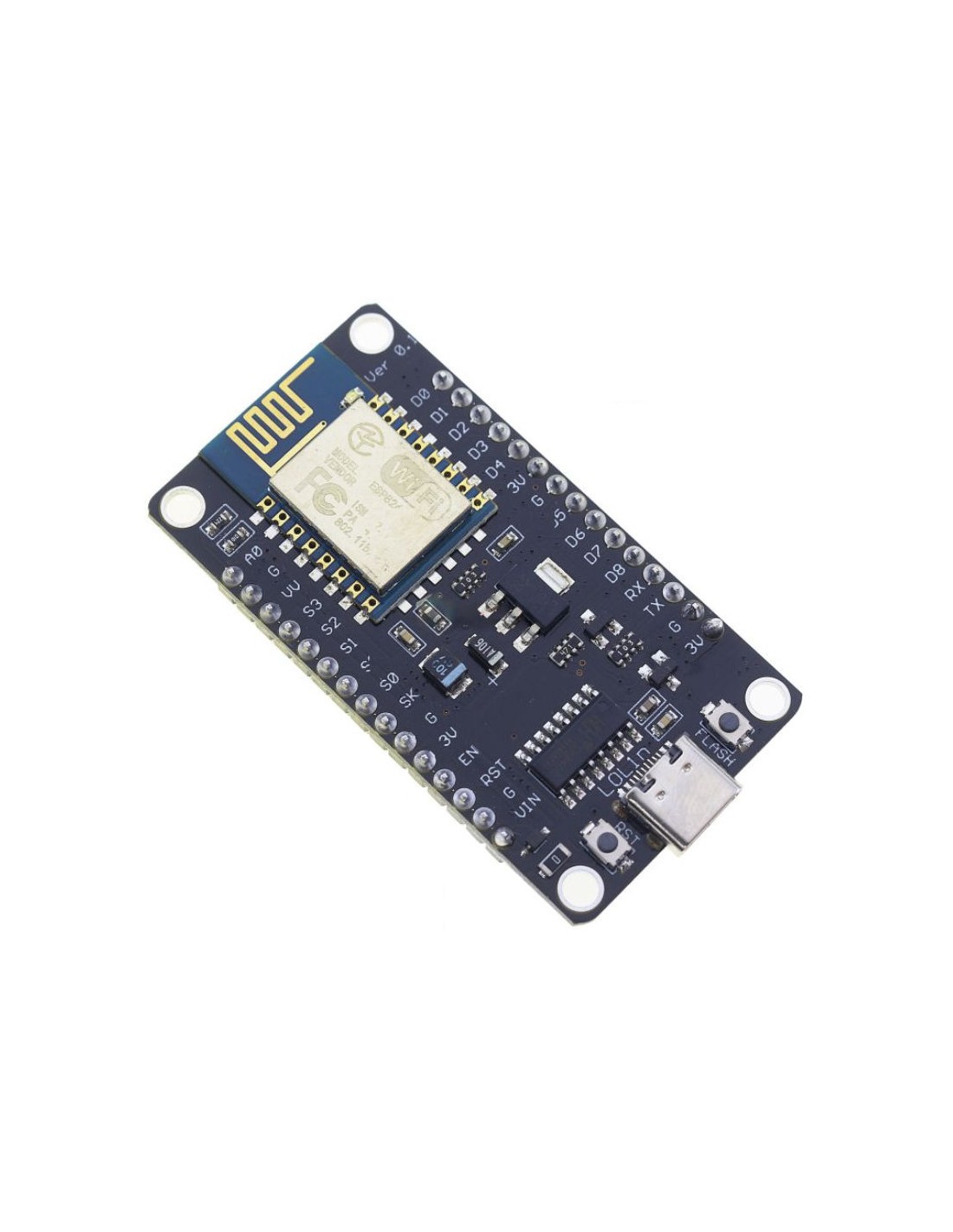
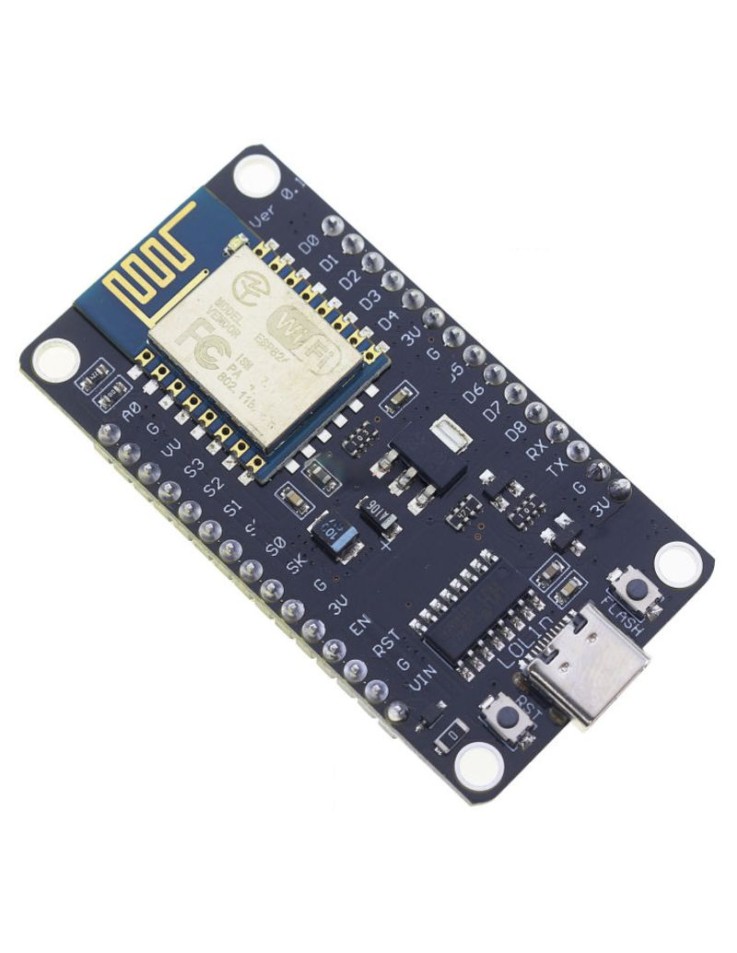
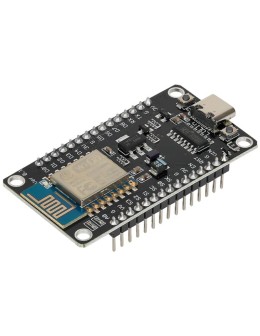
The NodeMCU V3 board is based on the single-core ESP8266 (ESP-12) 80MHz microcontroller. It is a WiFi-only IoT Development Board (does not feature Bluetooth), equipped with 4MB Flash Memory, a Type-C port, and the CH340G communication chip. It supports programming via NodeMCU Lua, MicroPython, ESPHome, and the Arduino IDE, featuring a built-in TCP/IP stack for immediate networking. It provides a 30-Pin layout. WARNING: All GPIOs operate strictly at a 3.3V logic level.
The ESP8266 microcontroller (32-bit Tensilica architecture) is designed to integrate Wi-Fi connectivity into electronic circuits. It operates either as a standalone processor or as a slave module for other microcontrollers, widely used in telemetry systems, wireless sensors, and IoT devices.
Q: Can this be integrated into Home Assistant?
A: Yes. The ESP8266 is fully compatible with ESPHome and Tasmota firmware. It can be programmed over-the-air (OTA) to build custom sensors (temperature, humidity, relays) that communicate locally via Wi-Fi.
Q: What are the power requirements?
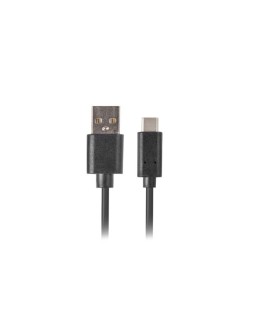
A: The board is powered by 5V via the USB Type-C port or the Vin pin. The onboard voltage regulator steps this down to the 3.3V required by the microcontroller.
| Microcontroller / Architecture | ESP8266 (ESP-12) / 32-bit Single Core |
| Clock Speed | 80 MHz |
| Flash Memory | 4MB (32Mbit) |
| Logic Operating Voltage | 3.3V |
| Wireless Protocol | Wi-Fi 802.11 b/g/n (2.4 GHz) |
| Bluetooth | No |
| USB-to-Serial Controller | CH340 (CH340G) |
| I/O Pin Count | 30 Pins |
Learn how to program ESP microcontrollers using the Arduino IDE:
Guide: ESP on Arduino IDE