- Home
- Catalogues
- List of Supervising Constructions for High School - High School 2025-2026
- Catalogue of Science and Technology Aids 2025-2026
- Design & Technology Catalogue Primary Schools 2024-2025
- Catalogue of Science and Technology Aids 2024-25
- Catalogue of Science and Technology Aids 2023-24
- Christmas Crafts Set
- Nursery Schools Catalogue 2022-2023
- Nursery Schools Catalogue 2020-2021
- Nursery Schools Catalogue 2018-2019
- Happy and Creative Hands
- Jobs Category
- About us
- FAQ
- Terms and conditions of use
- Privacy Policy
- Cookies Policy
- Payment Methods
- Shipping Methods
- Returns Policy
- Payment Response
- Registration Successful
- Shipments to Greece
- New Service Point
- Teacher Registration
- Box Now Shipping Service
- 40 years Antoniadis
- Catalogues
- Catalogues
- About us
- Payment Methods
-
Educational Products
-
School Equipment
- All
- Write 'N' Wipe Boards
- White Magnetic Boards
- Board Erasers & Cleaners
- Interactive Boards
- Cork Boards
- Boards Paper Roll
- Talking Points
- Measuring Instruments
- Rotary Trimmer & Guillotine Machines
- Binding Machines
- Laminators
- Maps
- Literacy
- Time
- Presenters
- Music Instruments
- Batteries
- USB Memory Sticks
- Pocket Charts
- Various
-
Stationery
-
STEM - Robotics - Programming
-
Electronics
-
Educational Toys & Construction Kits
- All
- Mechanics
- Robotics
- Coding
- Simple Circuit Kits
- Science
- Green Science
- Planets
- Dinosaurs - Volcanos
- Animals
- Lenses
- Logic / Understanding
- Card & Board Games
- Rubik's Cubes
- Puzzles
- Magnetic Boards
- Hama Beads
- Painting Sets
- Craft Sets
- Creative Hands
- Soft Play Dough
- Fridge Magnets
- Wooden toys
- Baby Toys
- Gadgets
- Construction "Antoniadis"
- Seasonal
- Birthday Gifts
- Gift Vouchers
-
Tools & Adhesives
-
Craft Materials
- All
- Resin Art, Casting & Sculpting
- Decoupage & Mixed Media
- Items for Decoration
- Model Making & Mockup Supplies
- Creation Materials
- Decoratives
- Paints - Colours
- Mediums & Auxiliaries
- Canvases & Canvas Panels
- Clocks & Accessories
- Cards & Papers
- Fabrics
- Scrapbooking - Papers
- Powertex
- Quilling
- Seasonal
- All
- Acrylics
- Metallic - Pearl
- Chalk Paints
- Oil Paints
- Watercolours - Temperas
- Glass paints
- Fabric Paints
- Pouring Paint Sets
- Face painting
- Lasur Paints
- Chalkboard
- Pencils
- Chalks
- Markers
- Pastel-Crayons
- Outliners
- Alcohol Inks
- Spray
- Pigments for Liquid Glass
- Pigments
- Coloring Books
- Painting by numbers
- Paint Palettes and Containers
-
Art Supplies
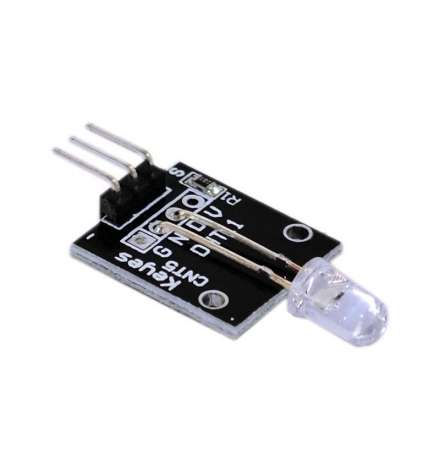
7 Color Flashing LED Module KY-034
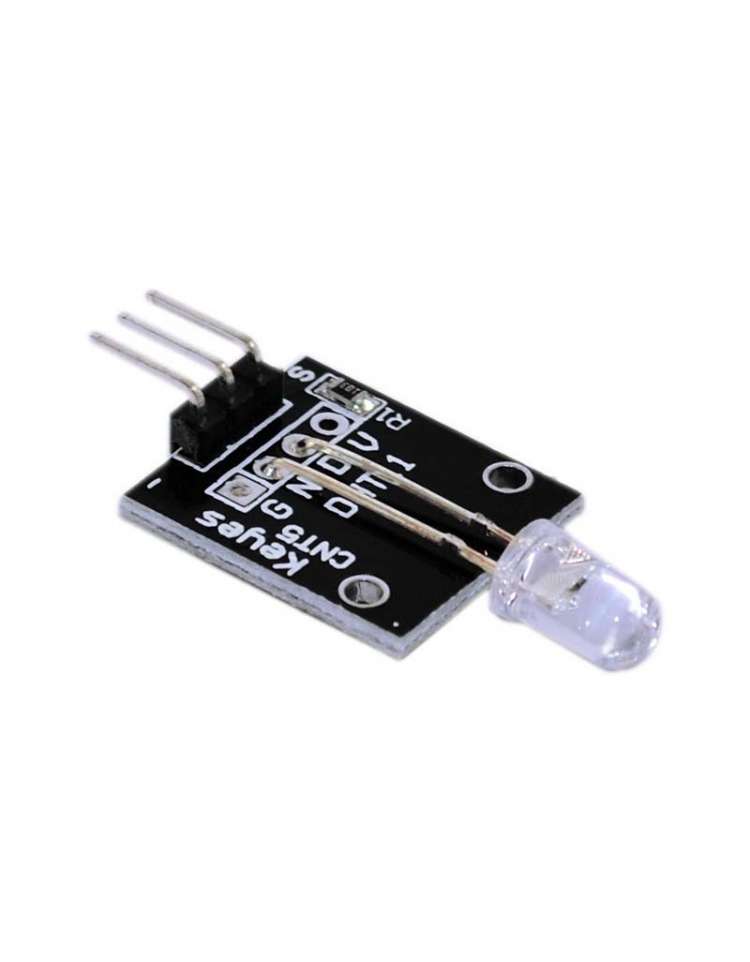
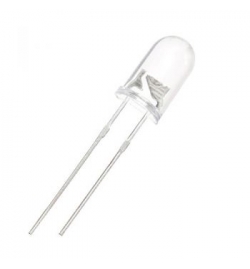
The KY-034 7 Color Flashing LED Module (MPN: KY-034, LED model: YB-3120B4PnYG-PM) is a compact Arduino-compatible module built around an automatic 5mm round high-brightness LED. Unlike standard single-color LEDs, the KY-034 cycles through multiple colors — including pink, yellow, and green — entirely on its own, driven by an internal controller embedded in the LED itself. No PWM code, no external timing circuit: just power it up and it flashes.
Key Features
- Automatic 7-color cycling: Built-in controller inside the LED drives the color sequence → zero programming effort for the flashing effect
- 5mm round form factor: Standard through-hole LED footprint → easy to mount on breadboards, PCBs, and KY-series sensor boards
- High-brightness output: Colors pink, yellow, and green at high brightness → clearly visible indicator even in ambient light
- White mist lens: Diffused lens softens the light output → wider viewing angle and smoother color transitions
- Standard forward voltage 3.0–4.5V: Compatible with common microcontroller supply rails → use with a current-limiting resistor on 3.3V or 5V systems
Pinout & Wiring
| PIN | Symbol | Description |
|---|---|---|
| 1 | S (Signal/+) | Connect to digital output pin (through a current-limiting resistor, typically 100–220Ω) |
| 2 | – | Middle pin (on 3-pin KY module boards: not connected or GND reference — verify your board silkscreen) |
| 3 | GND | Connect to ground |
⚠ Wiring note: The LED forward voltage is 3.0–4.5V. Always use a current-limiting resistor (100–220Ω recommended) in series to protect both the LED and your microcontroller pin. The automatic flashing is internal — simply applying power is sufficient.
Compatibility
- Arduino UNO / Nano (5V): Fully compatible — use a 100–220Ω series resistor on the signal/power pin.
- ESP32 / ESP8266 (3.3V): Compatible within the 3.0–4.5V forward voltage range — a lower resistor value (100Ω) may be needed; verify current limits on 3.3V GPIO pins.
- Raspberry Pi (3.3V GPIO): Compatible with appropriate series resistor; note RPi GPIO current limits.
Typical Applications
- Status indicators: Use the automatic color-cycling as a power-on or activity indicator on a project enclosure — no code needed.
- Decorative lighting projects: Ideal for makers building mood lamps, costumes, or display boards who want dynamic color without complex drivers.
- Arduino/ESP32 beginner kits: A simple first LED project that produces an impressive visual result immediately.
- Alert and notification signals: Combine with a transistor or relay to create eye-catching alarm indicators in embedded systems.
- Educational demonstrations: Demonstrate LED operation, forward voltage, and current limiting in electronics classes.
Technical Specifications
| Parameter | Value |
|---|---|
| Module | KY-034 |
| LED Model | YB-3120B4PnYG-PM |
| LED Type | 5mm Round Through-Hole, High Brightness |
| Lens Type | White Mist (Diffused) |
| Colors | Pink, Yellow, Green (automatic cycling) |
| Standard Forward Voltage | 3.0 – 4.5V |
| Color Cycling | Automatic (internal controller) |
| MPN | KY-034 |
FAQ
Q: Do I need to write any code to make the LED flash and change colors?
A: No. The KY-034 uses an LED with a built-in internal controller (model YB-3120B4PnYG-PM) that drives the color-cycling automatically. Simply connect power and ground through a current-limiting resistor and the module will flash through colors on its own.
Q: What resistor value should I use with the KY-034?
A: A 100–220Ω resistor is typically recommended in series with the signal/power pin. The exact value depends on your supply voltage and desired brightness — use Ohm's Law: R = (Vsupply – Vf) / I, targeting around 10–20mA.
⚠ Note: Always use a current-limiting resistor in series with this module. Connecting directly to a GPIO pin or supply rail without a resistor may damage the LED or the microcontroller.