Ελληνικά
Your cart
There are no more items in your cart


 Educational Products
 School Equipment
 Stationery
 STEM - Robotics - Programming
 Electronics
 Educational Toys & Construction Kits
 Tools & Adhesives
 Craft Materials
 Art Supplies

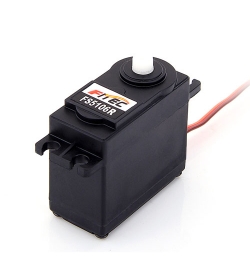
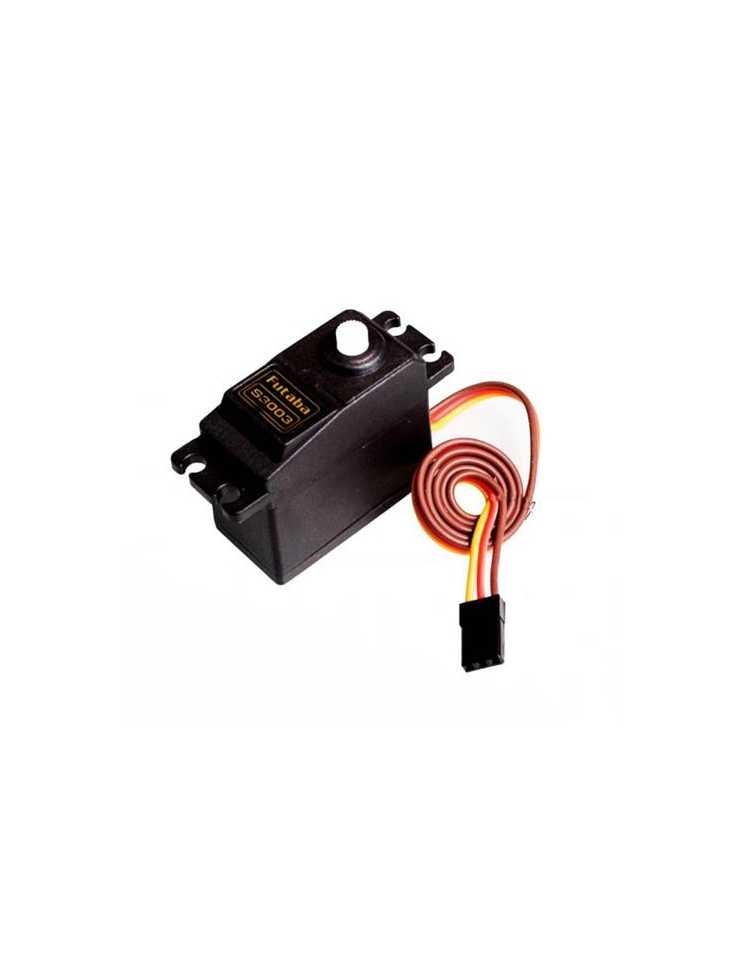
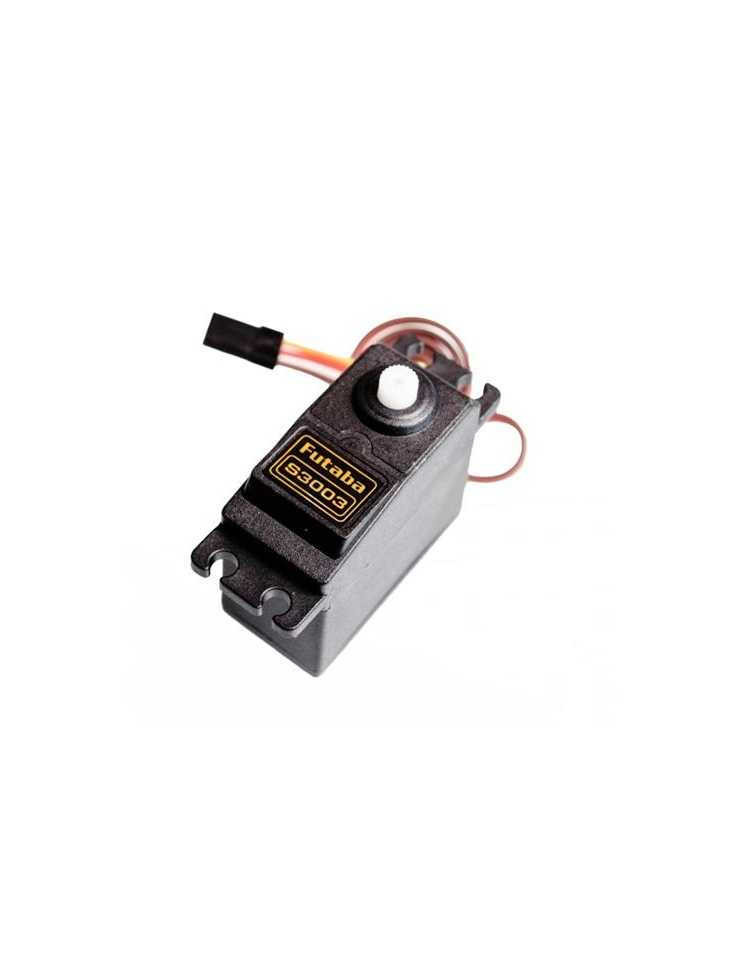
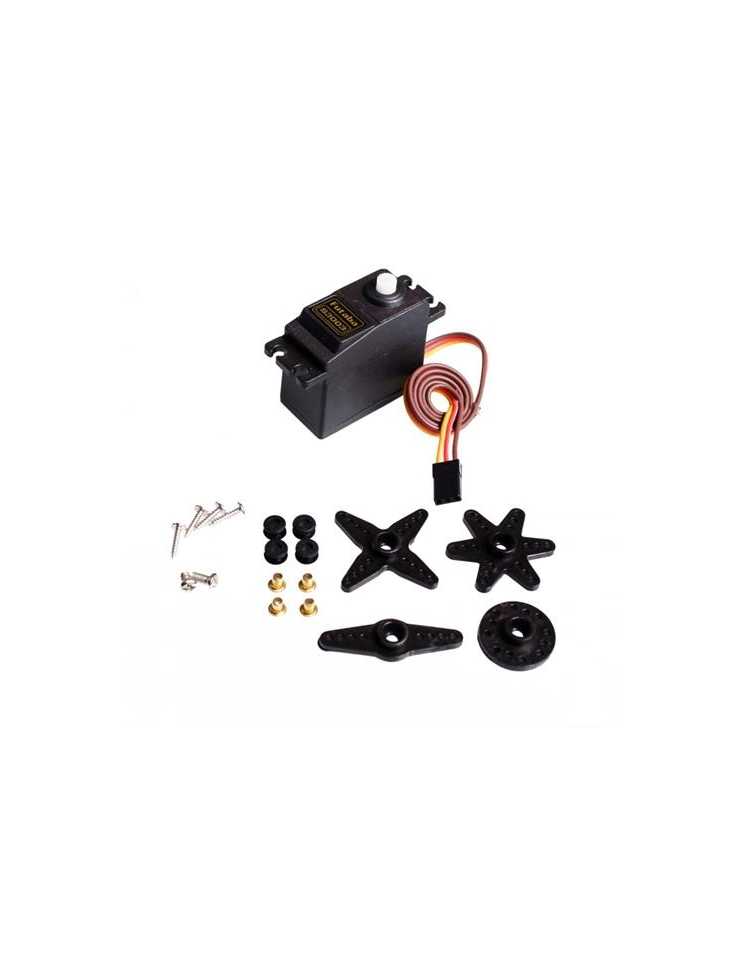
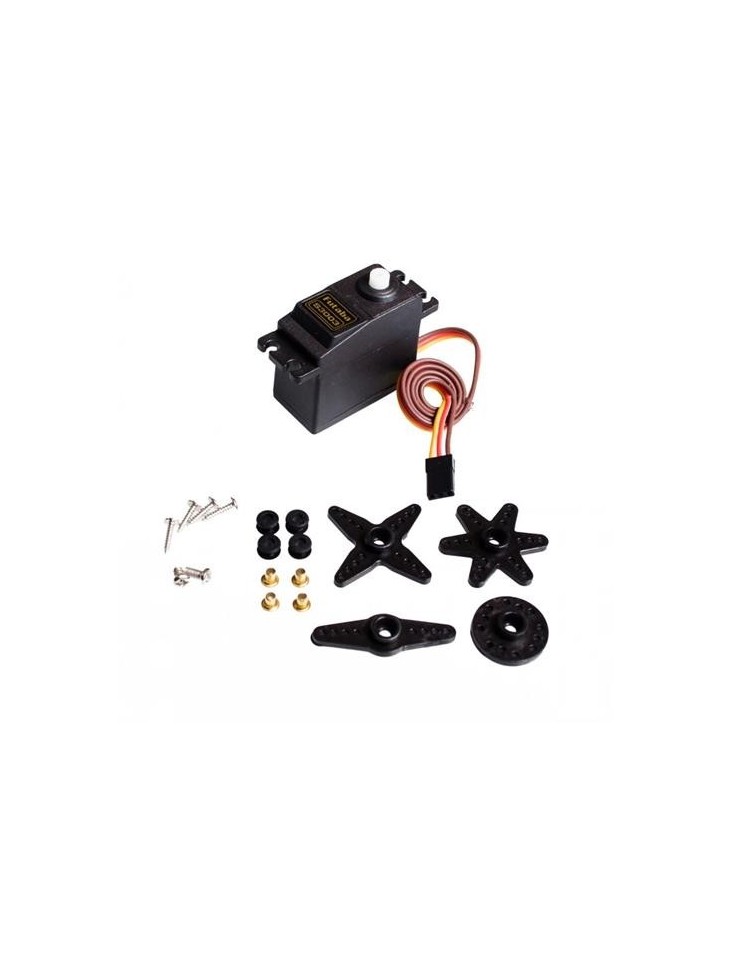
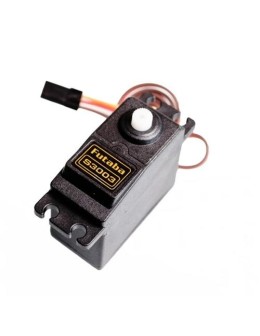
The Kuongshun S3003 is a standard-size analog servo motor offering 180° rotation range and up to 11 kg/cm stall torque at 6V. Compatible with the widely used Futaba S3003 form factor, it operates via standard PWM pulse-width control at 50 Hz, making it plug-and-play with Arduino, ESP32, and most RC receivers. Whether you're building a robotic arm, a pan-tilt camera mount, or an RC model, the S3003 delivers reliable torque and precise positioning at an accessible price point.
| Wire Color | Signal | Description |
|---|---|---|
| Brown | GND | Ground — connect to system GND |
| Red | VCC | Power supply 4.8–6V DC |
| Orange | PWM Signal | Control pulse input (50 Hz, 1–2 ms pulse width) |
Wiring note: Connect the signal wire to a PWM-capable pin on your Arduino (e.g., D9, D10). Use the Arduino Servo.h library and call myservo.write(90) for 90° center position. Power the servo from an external 5–6V supply for torque-demanding applications — do not power high-torque servos directly from the Arduino 5V pin.
Servo.h library.| Parameter | Value |
|---|---|
| Control Interface | Analog PWM — Pulse Width Control |
| Working Frequency | 50 Hz (20 ms period) |
| Required Signal Pulse | 3.0–5V Peak-to-Peak Square Wave |
| Operating Voltage | 4.8–6V DC |
| Stall Torque @ 4.8V | 9.4 kg/cm |
| Stall Torque @ 6V | 11 kg/cm |
| Operating Speed @ 4.8V | 0.20 sec / 60° (no load) |
| Operating Speed @ 6V | 0.16 sec / 60° (no load) |
| Dead Band | 0.1 ms |
| Rotation Range | 180° |
| Operating Temperature | 0°C to +55°C |
| Motor Type | Brushed DC Motor |
| Potentiometer Drive | Direct Drive |
| Gear Type | Plastic Gears |
| Bearing Type | No Bearing |
| Dimensions | 40.7 × 19.7 × 42.9 mm |
| Brand | Kuongshun |
| MPN | S3003 |
Q: Can I power the S3003 directly from the Arduino 5V pin?
A: For light-load testing, yes — but for actual torque-demanding use, always power the servo from an external 5V or 6V supply. Drawing high current through the Arduino regulator can cause resets or damage the board.
Q: What is the difference between 4.8V and 6V operation?
A: At 6V, the servo delivers higher torque (11 kg/cm vs 9.4 kg/cm) and faster speed (0.16 s/60° vs 0.20 s/60°). Use 6V when torque is critical; use 4.8V for standard RC battery packs.